
How to Start a Clothing Brand Using Blank Apparel
You do not need to manufacture an entirely new garment from scratch to start a clothing brand.
Many brands begin with high-quality blank apparel and transform it through artwork, printing, embroidery, labels, packaging, photography, creative direction and branding.
If you're researching how to start a clothing brand with blanks, the biggest mistake is usually not starting too small. It is starting too big.
Too many garments. Too many colors. Too many designs. Too much inventory.
A focused first collection can teach you much more. Here is a practical way to start.
Step 1: Decide What Kind of Brand You Are Building
Do not start by browsing 100 blank products. Start with your customer.
Ask who this is for, what they wear, what the clothing should feel like, what price point you're targeting and what makes the brand recognizable.
Are you building streetwear, creator merchandise, fitness apparel, lifestyle basics, music merchandise, corporate apparel, university merchandise or event apparel?
Your answer affects the blank. A heavyweight streetwear tee and a lightweight event tee solve different problems.
Step 2: Start With Three Products
If we were starting a clothing brand using blank apparel, we would not begin with 20 product categories.
1. Core T-Shirt
This will often be the easiest entry product.
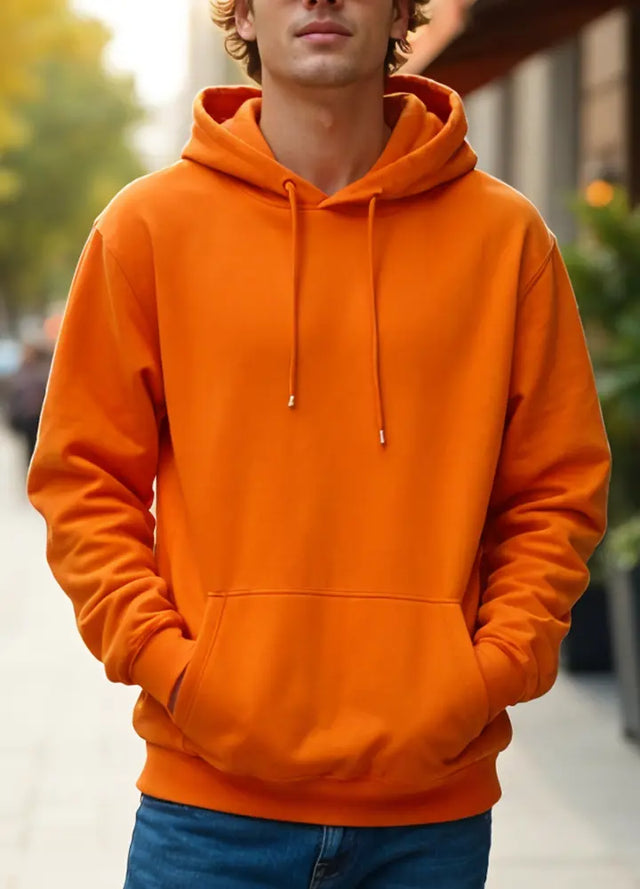
2. Hoodie
A hoodie gives the brand a higher-value piece and creates more room for decoration.
3. Crewneck Sweatshirt
A crewneck offers another fleece option without duplicating the hoodie completely.
That's enough to start learning. You can always add joggers, shorts, women's silhouettes, youth products and jackets later.
Step 3: Choose the Right Blank T-Shirt
The T-shirt may become the foundation of your clothing brand. Don't choose purely by price.
Consider weight, fit, fabric, collar, sleeve shape, body length, printing surface, color choice, label construction and repeat availability.
Order samples. Wear them. Wash them. Print them. Ask several people to try them on.
You will learn more from five physical samples than from hours of product-page browsing.
Step 4: Decide Between Lightweight, Midweight and Heavyweight
One of the key decisions when learning how to start a clothing brand with blanks is garment weight.
Lightweight
Good for softer everyday apparel and warm-weather products.
Midweight
Useful for versatile core collections.
Heavyweight
Useful for structured streetwear and substantial premium-feeling garments.
The correct choice depends on your brand. Do not choose heavyweight simply because it is fashionable. A trend should support the brand, not define it.
Step 5: Keep Your Color Range Tight
Another common mistake is launching too many colors.
Imagine 4 products x 10 colors x 5 sizes. You suddenly have a huge number of inventory combinations.
Instead, choose perhaps 3-5 core colors. For example: Black, Off-white, Gray, Brown, Military Green.
Your actual palette should fit the brand. A smaller color system can make photography easier, inventory easier, reorders easier, marketing more consistent and your brand more recognizable.
Step 6: Choose Your Decoration Method
Your branding could use screen printing, DTG, DTF, embroidery, heat transfers or mixed techniques.
Choose according to artwork, quantity, fabric, budget, desired texture and production requirements.
Do not automatically choose the cheapest method. The decoration is part of the finished product. Test it on the actual garment.
Step 7: Make the Blank Feel Like Your Brand
If you're building a real clothing brand, the goal is not: Buy blank -> add front logo -> finished.
Think about the complete product. Potential brand elements include neck branding, hang tags, packaging, size stickers, fold presentation, thank-you cards, shipping packaging and care information.
These details can help transform blank apparel into something that feels like a cohesive brand.
Step 8: Photograph the Finished Product Properly
Customers don't know your manufacturing process. They judge what they can see.
Your photography needs to communicate fit, fabric, color, detail, print quality and brand personality.
Ideally capture front, back, side, close-up artwork, fabric texture, collar, model fit and lifestyle context.
If you're selling online, good product photography effectively becomes part of the product.
Step 9: Test Demand Before Buying Too Much
You do not need a warehouse full of inventory on launch day.
Start with controlled quantities. Use the first release to learn which size sells most, which color sells, which product gets ignored, which graphic converts and which customers reorder.
Then make the second order smarter than the first.
This is why blank apparel can be particularly practical for emerging brands. You can focus resources on branding and demand before moving into more complicated manufacturing.
Step 10: Understand Your Numbers
Before setting a retail price, calculate more than the blank garment cost.
Include blank cost, decoration, labels, packaging, shipping supplies, labor, payment fees, website costs, marketing, returns and discounts.
A $5 blank does not mean you have a $5 product cost. Know your complete cost before deciding your margin.
Step 11: Build Around Reorderability
Imagine your first T-shirt becomes your bestseller. Great. Now you need more.
Can you get the same blank, color, size range, fit and fabric? A core garment should ideally be something you can replenish reliably.
Changing the blank every time you reorder can create inconsistency in fit, photography, customer experience, printing and reviews.
That is why supplier consistency matters.
Step 12: Introduce Wholesale Only When It Makes Sense
As volumes increase, look at wholesale blank apparel pricing and account options.
Wholesale becomes more valuable when you have repeat demand, predictable volume, known sizes, known colors and proven products.
Don't buy massive quantities simply because the unit price gets lower. Cheap unsold inventory is still expensive.
A Simple Starter Clothing Brand Assortment
A practical first range could look like this: Core Tee - 2 designs, 3 colors. Hoodie - 1 design, 2 colors. Crewneck - 1 design, 2 colors.
That already gives you enough product variety to build social content, email campaigns, product bundles, photography and launch storytelling without creating overwhelming inventory.
How Blank Apparel Helps New Clothing Brands
Using blanks allows founders to focus on brand strategy, artwork, decoration, marketing, community, content and selling instead of immediately managing complete garment development.
As the brand grows, you can decide whether to continue with blanks, modify existing products, introduce private-label programs or eventually develop custom garments.
There is no requirement to jump immediately to custom manufacturing.
Build Demand First
The strongest lesson when figuring out how to start a clothing brand with blanks is simple: don't confuse more products with more brand.
Your brand comes from your point of view, your product choices, your artwork, your photography, your community and your consistency.
Three strong products are better than thirty forgotten ones. Start focused. Test. Learn. Then expand.
Start Your Brand With Circle Clothing
Circle Clothing offers blank T-shirts, hoodies, sweatshirts, bottoms, women's styles, youth apparel and other blanks for brands, printers, creators and merchandise businesses.
Start by building a small assortment around the customer experience you want. Then decorate it. Brand it. Test it. And grow from what actually sells.
Shop Blank T-Shirts -> [Internal link: T-Shirts]
Shop Blank Hoodies -> [Internal link: Hoodies]
Browse Women's Blank Apparel -> [Internal link: Women's Collection]
Shop All Blank Apparel -> [Internal link: All Products]
Apply for Wholesale -> [Internal link: Wholesale Application]
Frequently Asked Questions
Can I start a clothing brand using blank T-shirts?
Yes. Blank garments can be decorated, branded, packaged and marketed as part of your own clothing collection, subject to the supplier's applicable terms.
How many products should a new clothing brand launch with?
There is no fixed number, but starting with a focused assortment can simplify inventory and help you learn what customers actually want.
What blanks should I start with?
A core T-shirt, hoodie and crewneck can create a versatile starting range for many apparel brands.
Should I buy wholesale blanks immediately?
Wholesale can make sense once your volume supports it. Test products and demand before overcommitting to inventory.
How do I make blank clothing feel like my own brand?
Fit selection, artwork, decoration, neck branding, packaging, photography and consistent creative direction can all make the finished product feel distinctively yours.